Peripheral artery disease is often first noticed because of leg discomfort during walking. But when PAD becomes severe, reduced blood flow can threaten much more than mobility.
Advanced PAD can increase the risk of non-healing wounds, tissue damage, infection, and ultimately amputation.
Understanding how the disease progresses helps explain why early evaluation and appropriate treatment are so important.
How PAD Reduces Blood Flow
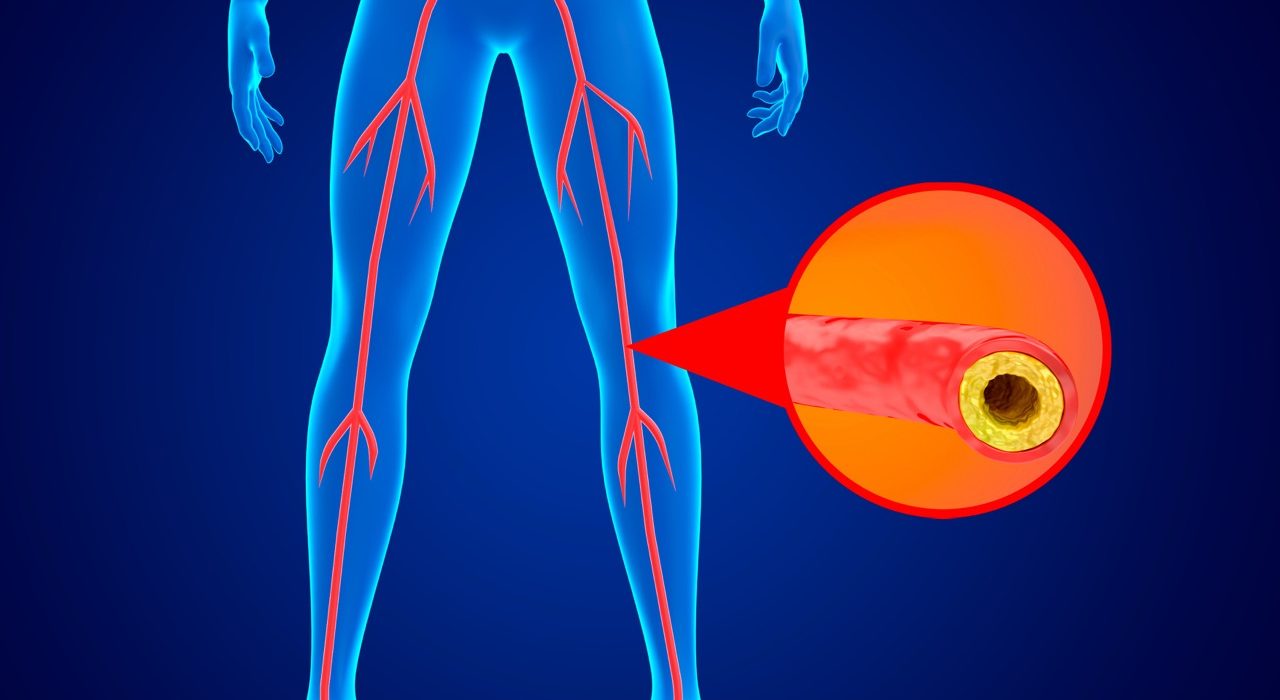
PAD most commonly develops because of atherosclerosis.
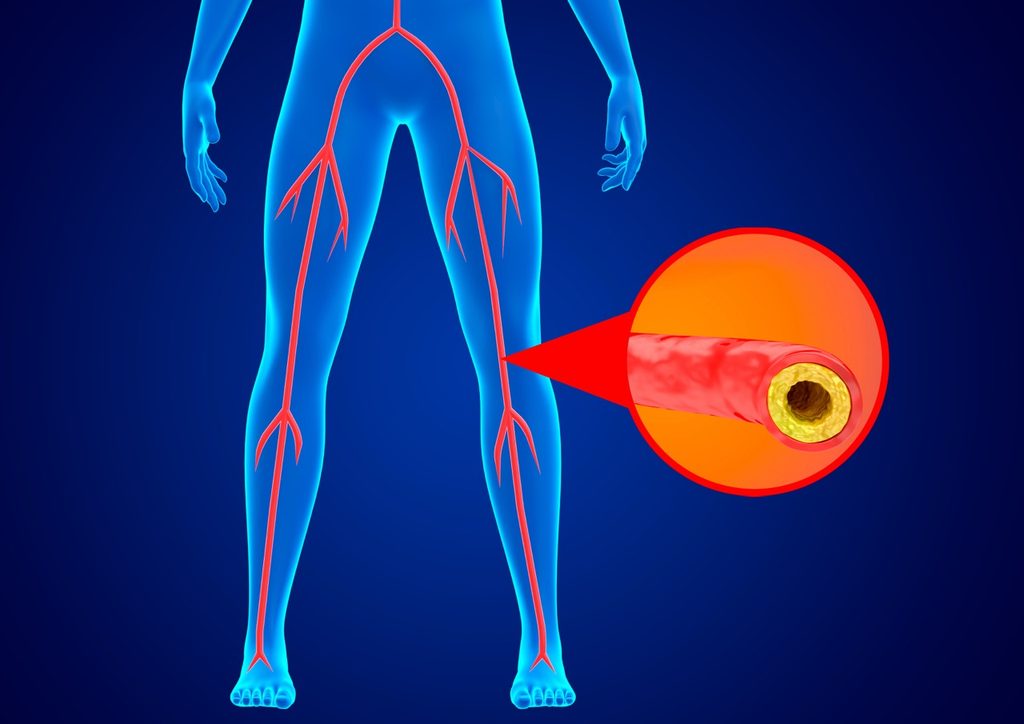
Plaque accumulates inside artery walls, narrowing the pathway available for blood to travel through.
When the disease affects arteries in the legs, less oxygen-rich blood may reach the muscles, skin, toes, and feet.
At first, the reduced blood supply may only become noticeable during activity.
When PAD Becomes More Advanced
Severe PAD can progress to a condition known as chronic limb-threatening ischemia, or CLTI.
CLTI may involve:
- Persistent foot or leg pain while resting
- Non-healing wounds
- Ulcers
- Tissue death or gangrene
These symptoms indicate that blood flow may be inadequate to keep tissues healthy.
Why Poor Circulation Makes Wounds Dangerous
Wounds need blood to heal.
Oxygen, nutrients, infection-fighting cells, and other healing components reach injured tissue through the bloodstream.
If blood flow is severely restricted, a small injury can become a much larger problem. A blister, cut, pressure sore, or diabetic foot wound may fail to close properly and become infected.
Diabetes Can Further Increase Risk
Diabetes is particularly important in limb preservation.
Nerve damage can reduce sensation in the feet, meaning a patient may not immediately feel an injury.
At the same time, diabetes is associated with vascular disease and impaired healing.
Regular foot inspection and prompt evaluation of wounds are therefore especially important for patients with diabetes and PAD.
How Vascular Treatment Can Help Protect a Limb
The goal of vascular treatment is to improve circulation when reduced blood flow is threatening tissue or significantly affecting function.
Depending on the situation, treatment may involve cardiovascular risk management, medication, smoking cessation, wound care, structured exercise, and restoring blood flow.
Revascularization procedures can include:
- Angioplasty
- Atherectomy
- Stent placement
- Surgical bypass in selected cases
The appropriate treatment depends on the patient’s anatomy, severity of disease, symptoms, and overall health.
Watch for Warning Signs
Contact a healthcare provider if you notice:
- A wound that is not healing
- Increasing pain in a foot
- Pain that occurs while resting
- Significant skin discoloration
- New numbness
- Coldness in a foot
- Darkened or dying tissue
Sudden severe pain, loss of sensation, weakness, or major color and temperature changes require urgent medical evaluation.
Limb Preservation Starts With Recognizing the Problem
Amputation is not the inevitable outcome of PAD.
Identifying circulation problems, controlling cardiovascular risk factors, protecting the feet, treating wounds, and restoring blood flow when medically appropriate are important parts of limb-preservation care.
At Vascular Centers of America, helping patients maintain mobility and protect their limbs is a central part of PAD care.
If you have persistent leg pain, a non-healing wound, or concerns about circulation, contact Vascular Centers of America for a vascular evaluation.