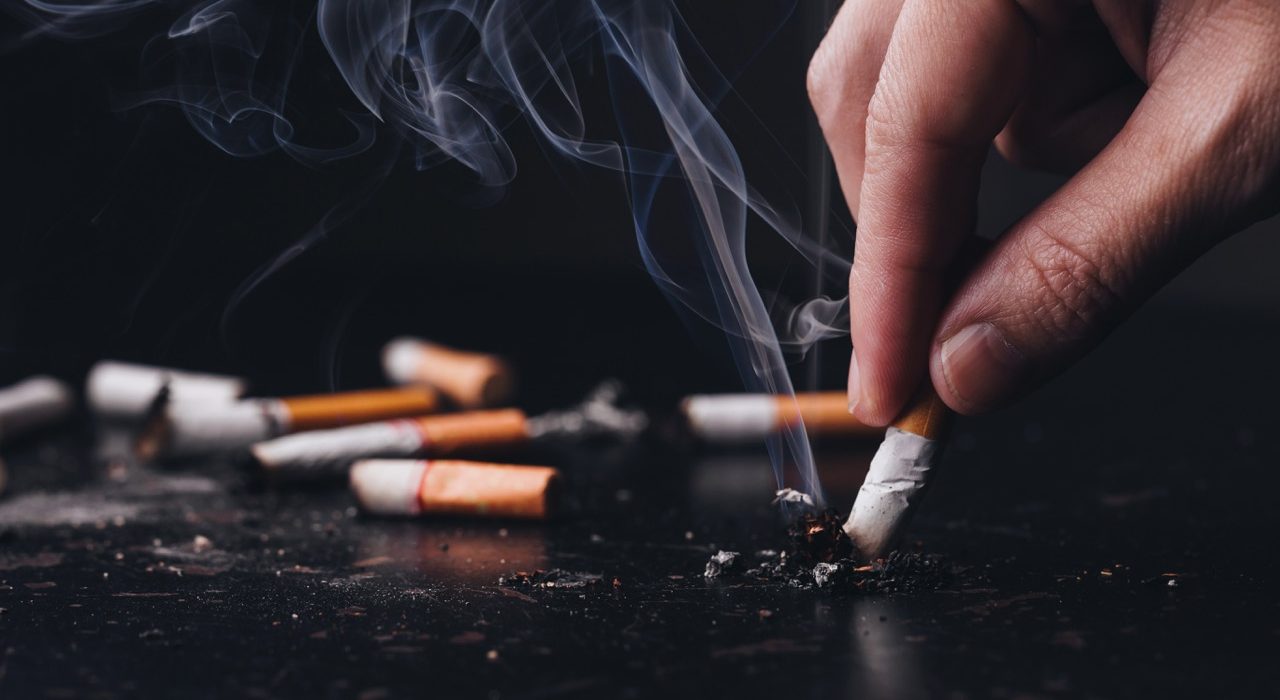

Smoking affects far more than the lungs.
Tobacco use can damage blood vessels throughout the body and is one of the most important risk factors for peripheral artery disease, or PAD.
For people who already have PAD, continuing to smoke can also contribute to worsening vascular disease and increase the risk of serious cardiovascular and limb-related complications.
What Happens to Your Arteries When You Smoke?
PAD develops when arteries carrying blood to the legs become narrowed.
A major cause is atherosclerosis, the buildup of plaque inside artery walls.
Smoking contributes to the processes that damage arteries, encourage plaque formation, affect blood clotting, and reduce healthy blood-vessel function.
Over time, these effects can make it more difficult for blood to reach the muscles and tissues of the legs and feet.
What Does Poor Leg Circulation Feel Like?
Some people with PAD have few noticeable symptoms.
Others may experience:
- Calf pain while walking
- Leg cramping
- Heaviness or fatigue
- Cold feet
- Numbness or tingling
- Reduced walking ability
- Slow-healing sores
- Pain in the foot while resting
One of the most recognizable symptoms is pain that begins during walking and improves after several minutes of rest.
Smoking and Cardiovascular Health
PAD is a cardiovascular disease.
That means a patient with plaque in the arteries of the legs may also have atherosclerosis affecting other areas of the body.
People with PAD are at increased risk for cardiovascular events, making management of smoking, cholesterol, blood pressure, diabetes, and other risk factors an important part of treatment.
Does Quitting Smoking Still Matter After PAD Develops?
Yes.
Quitting tobacco is an important part of PAD treatment even if you have smoked for many years.
Stopping smoking can help reduce continued damage to the vascular system and is strongly recommended for patients with PAD.
Quitting can be difficult, and many people need more than one attempt.
Your healthcare provider can discuss strategies that may include counseling, behavioral support, nicotine-replacement approaches, or medications when appropriate.
Smoking and Limb Health
Reduced blood flow can make it more difficult for wounds to heal.
In advanced PAD, severely restricted circulation may contribute to ulcers, infection, tissue damage, and increased risk of limb loss.
Continuing to smoke can add another challenge to an already compromised vascular system.
Protecting your feet, promptly evaluating wounds, and addressing tobacco use are therefore important components of PAD care.
Treating the Whole Vascular Picture
PAD treatment is not simply about opening one narrowed artery.
Effective care may include:
- Tobacco cessation
- Cholesterol management
- Blood pressure management
- Diabetes management
- Appropriate medication
- Structured exercise
- Preventive foot care
- Vascular procedures when medically necessary
These strategies address both symptoms in the legs and the broader cardiovascular risks associated with PAD.
Take Your Leg Symptoms Seriously
If you smoke or have a history of smoking and experience recurring leg pain, difficulty walking, cold feet, numbness, or wounds that do not heal normally, consider discussing PAD with a healthcare provider.
At Vascular Centers of America, our team evaluates circulation problems and develops individualized treatment plans for patients with peripheral artery disease.
Contact Vascular Centers of America if you are experiencing symptoms that may be related to poor circulation in your legs.