
Leg pain, cold feet, numbness, or a wound that does not heal can have many causes. One possibility is reduced blood flow caused by a narrowed or blocked artery in the leg. This is often related to peripheral artery disease (PAD), a form of cardiovascular disease in which plaque builds up inside arteries and restricts circulation.
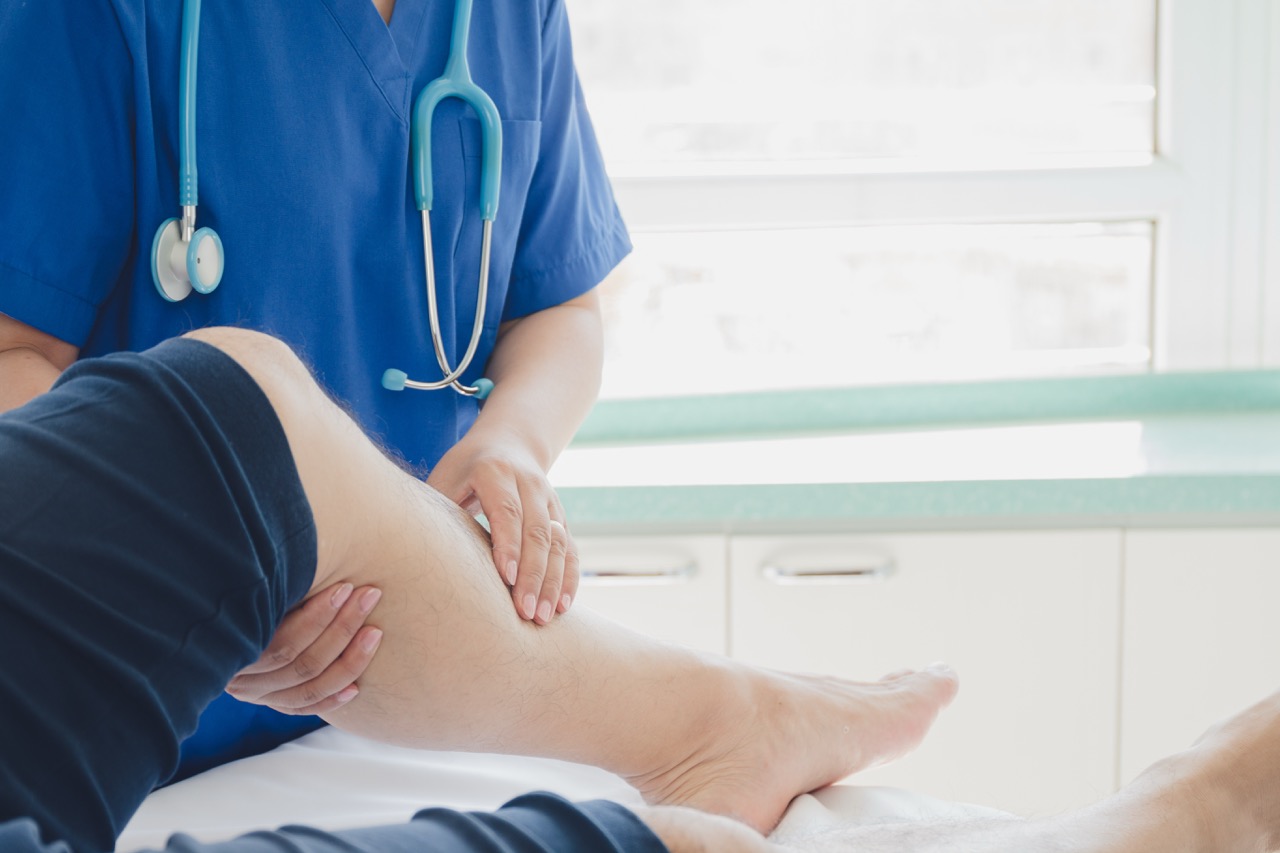
A blocked artery does not always cause early symptoms. In fact, many people have peripheral artery disease (PAD) without knowing it. Others slowly adjust how much they walk because discomfort has become normal. Knowing the warning signs helps you decide when to schedule a vascular evaluation.
Leg Pain When You Walk
Leg discomfort from activity is a primary symptom of PAD. You might feel cramping, aching, burning, tightness, heaviness, or fatigue in your:
- Calf
- Thigh
- Hip
- Buttock
A key clue is that this discomfort fades after you stop walking. Doctors call this pattern claudication. When your muscles work harder, they demand more oxygen-rich blood. A narrowed artery cannot always deliver enough blood during exercise, which causes pain. Resting lowers your muscles’ oxygen demand, so your symptoms improve.
A Colder Foot
Cold feet happen for many reasons. However, if one foot constantly feels colder than the other—especially alongside pain, numbness, or color changes—poor blood flow may be the cause.
Persistent temperature differences help distinguish circulation problems from normal muscle soreness.
Numbness, Weakness, or Tingling
Reduced blood flow can trigger numbness, weakness, or strange sensations in your legs and feet. Because neuropathy or spine issues can cause similar signs, do not use these symptoms alone to diagnose PAD.
Instead, a vascular specialist can help determine if your circulation needs testing.
Slow-Healing Wounds
Healthy tissue requires steady blood flow to heal properly. If an artery is severely narrowed, a blister, cut, or sore will take much longer to close.
Non-healing wounds require careful attention, especially for people with diabetes. Nerve damage can mask injuries, while vascular disease slows down healing.
Skin and Nail Changes
Circulation issues can cause shiny skin, lower leg hair loss, slow-growing toenails, or unusual skin color changes. While these signs do not automatically mean you have PAD, they provide important clues when paired with other symptoms.
Rest Pain and Advanced Disease
As PAD worsens, pain can strike even when you are resting. Many people notice burning or aching feet at night or while lying down. This indicates that your blood flow is inadequate even at rest, so you should seek a prompt medical evaluation.
How Doctors Check for Blocked Arteries
Your evaluation usually starts with a physical exam, a medical review, and pulse checks in your legs and feet. Doctors frequently use the ankle-brachial index (ABI) test, which compares blood pressure in your ankle to your arm.
Depending on your results, doctors may recommend extra tests, such as:
- Doppler or duplex ultrasound
- CT angiography
- Magnetic resonance angiography
- Catheter-based angiography
When to Seek Care
Never blame recurring walking pain, a cold foot, or unhealed wounds entirely on aging. Furthermore, sudden severe leg pain accompanied by extreme color changes, coldness, or numbness is a medical emergency that requires immediate care.
At Vascular Centers of America, our team specializes in diagnosing poor circulation and PAD. We create custom treatment plans tailored to each patient.
If you suspect you have a blocked leg artery, contact Vascular Centers of America today to explore your testing and treatment options.