Leg pain is common, and most people do not need a vascular specialist every time a muscle aches. But certain symptoms can point toward reduced blood flow and deserve a closer look, especially if you have risk factors for peripheral artery disease.
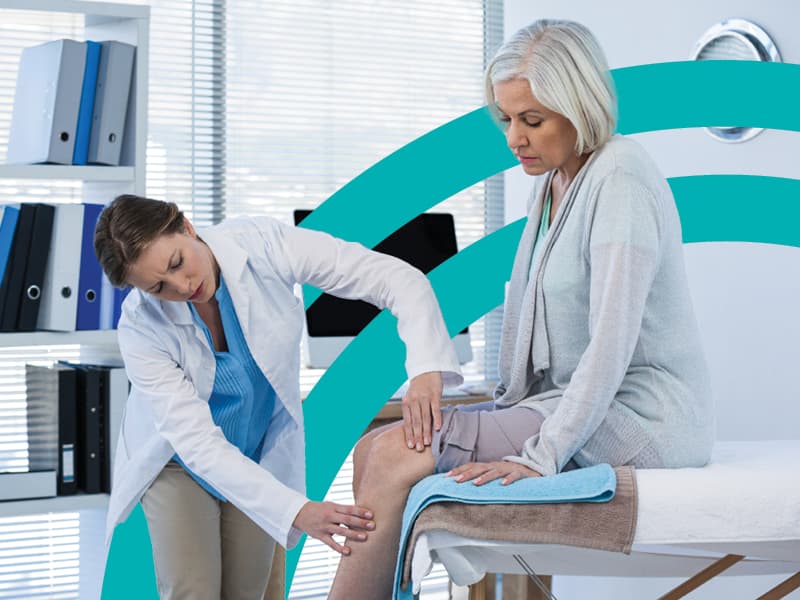
A vascular doctor evaluates diseases involving arteries and veins. For people with suspected peripheral artery disease, or PAD, the goal is to determine whether narrowed arteries are limiting blood flow to the legs and feet.
1. Your Legs Hurt When You Walk
Recurring calf, thigh, hip, or buttock discomfort during walking is one of the best-known PAD symptoms.
The pain may feel like cramping, aching, tightness, heaviness, burning, or fatigue. A key clue is that it improves after you stop walking and returns when activity resumes.
This pattern is called claudication.
2. One Foot Feels Colder Than the Other
Cold feet can be harmless, but a persistent temperature difference between feet may warrant evaluation, especially if it occurs with pain, numbness, skin changes, or reduced pulses.
A vascular exam can help determine whether arterial blood flow is reduced.
3. You Have a Wound That Is Not Healing
A cut, blister, or ulcer on the foot or toe needs adequate circulation to heal.
If a wound remains open, repeatedly returns, or worsens, blood flow should be considered as one possible factor. This is particularly important for people with diabetes.
4. Your Feet or Toes Are Changing Color
Significant changes in skin color can sometimes occur when circulation is impaired. A foot or toe may look unusually pale, reddish, bluish, or darkened.
Color changes can have many causes, so they should be evaluated in the context of other symptoms and examination findings.
5. You Have Foot Pain While Resting
PAD often causes symptoms first during activity. More advanced disease can cause pain when the patient is sitting or lying down.
Rest pain, especially in the foot at night, can be associated with chronic limb-threatening ischemia and should be evaluated promptly.
6. Your Walking Ability Is Getting Worse
People with PAD sometimes change their habits without realizing it. You may begin avoiding stairs, parking closer, taking more breaks, or giving up walks because your legs become uncomfortable.
A gradual decline in walking distance is worth discussing with a healthcare provider, particularly if you have cardiovascular risk factors.
7. You Have Several PAD Risk Factors
Symptoms deserve additional attention if you have a history of:
- Smoking or tobacco use
- Diabetes
- High cholesterol
- High blood pressure
- Chronic kidney disease
- Other cardiovascular disease
PAD can occur without obvious symptoms, so risk profile is an important part of deciding whether testing is appropriate.
What Does a Vascular Evaluation Involve?
Your vascular specialist will review your symptoms, medical history, medications, and risk factors. The physical examination may include checking pulses and inspecting the feet and legs.
A common first test is the ankle-brachial index, or ABI. It compares blood pressure in the ankle with blood pressure in the arm. When additional information is needed, testing may include Doppler ultrasound, toe pressures, CT angiography, magnetic resonance angiography, or other imaging.
What Happens if PAD Is Found?
Treatment is based on the severity of disease and the patient’s symptoms.
Care may include smoking cessation, cholesterol and blood pressure management, diabetes management, medication, structured exercise, preventive foot care, and vascular procedures when appropriate.
Patients with functionally limiting claudication that does not improve adequately with medical therapy and structured exercise may be evaluated for revascularization. Those with chronic limb-threatening ischemia often require more urgent efforts to restore blood flow.
When Symptoms Are Sudden, Seek Emergency Care
Sudden severe leg or foot pain, abrupt coldness, marked paleness, new weakness, or loss of sensation can represent acute limb ischemia and requires immediate medical attention.
Get Answers About Your Circulation
You do not have to guess whether your leg symptoms are caused by muscles, joints, nerves, or blood flow.
At Vascular Centers of America, our team evaluates patients for PAD and other circulation problems affecting the lower extremities.
If you recognize one or more of these warning signs, contact Vascular Centers of America to discuss whether a vascular evaluation is right for you.