
If one foot is colder than the other, the difference may be temporary. Room temperature, footwear, or body position can affect how your feet feel. However, persistent coldness on one side can sometimes point to reduced blood flow.
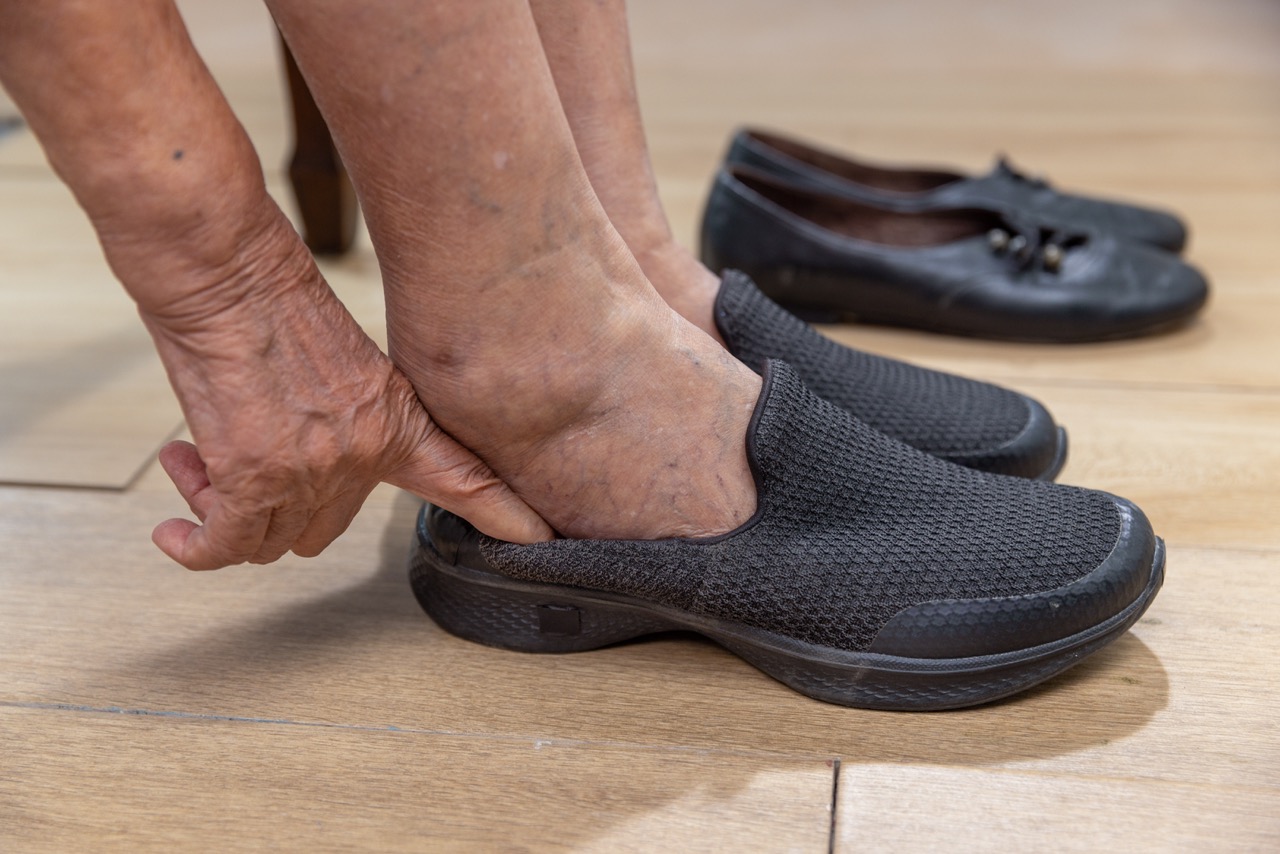
Peripheral artery disease, or PAD, is one vascular condition that can reduce circulation to a leg or foot. PAD develops when plaque narrows arteries and limits the amount of oxygen-rich blood reaching the tissues.
Why Poor Circulation Can Make One Foot Feel Cold
Arteries carry warm blood from the heart to the legs and feet. If an artery becomes significantly narrowed, less blood may reach the affected side.
That can create a temperature difference. One foot or lower leg may feel cooler than the other when touched.
Coldness alone does not diagnose PAD. The symptom becomes more meaningful when it appears with other changes.
Other Signs of Poor Circulation
Pay attention to whether a colder foot occurs along with:
- Leg pain or cramping during walking
- Numbness or tingling
- Weakness in the leg
- Changes in skin color
- Slow-growing toenails
- Reduced hair growth
- A sore that does not heal normally
- Pain in the foot while resting
A combination of these symptoms can strengthen the case for a vascular evaluation.
Could Nerve Problems Make a Foot Feel Cold?
Yes. Nerves affect how temperature is perceived. Neuropathy can make a foot feel unusually cold even when the skin temperature is normal.
This is one reason it helps to compare both how the foot feels to you and how it actually feels to the touch. A healthcare provider may assess sensation and circulation during the same examination.
What About Raynaud’s or Other Conditions?
Blood-vessel spasms, environmental exposure, medication effects, and other health conditions can also cause cold feet. Raynaud’s phenomenon often affects fingers and toes and may cause color changes triggered by cold or stress.
PAD is different because the underlying problem is narrowing within the arteries.
Who Should Be More Concerned About a Cold Foot?
The symptom deserves extra attention if you have PAD risk factors. These include smoking, diabetes, high cholesterol, high blood pressure, kidney disease, older age, and a history of cardiovascular disease.
A person with several risk factors and a persistent temperature difference should consider discussing circulation with a healthcare provider.
How Is Blood Flow to the Foot Tested?
A vascular evaluation usually begins with an examination of the legs and feet. The clinician may check pulses and look for skin or wound changes.
A common test is the ankle-brachial index, or ABI. It compares blood pressure in the ankle with blood pressure in the arm.
Some patients also need toe pressure testing or vascular ultrasound. Imaging such as CT angiography or magnetic resonance angiography may be used when more detail is needed.
Learn more about PAD testing and treatment options.
When a Cold Foot Is an Emergency
Sudden coldness is different from a chronic symptom. If a foot or leg suddenly becomes very cold, pale, painful, numb, or weak, blood flow may have dropped abruptly.
This can represent acute limb ischemia, which requires emergency medical attention.
Do Not Ignore a Persistent Difference
A colder foot may have a harmless explanation, but a persistent one-sided change should not be dismissed, especially when other symptoms are present.
At Vascular Centers of America, our team evaluates arterial circulation and peripheral artery disease using noninvasive testing and advanced vascular care.
If one foot is colder than the other and you are concerned about poor circulation, contact Vascular Centers of America for an evaluation. View our locations to find a vascular center near you.