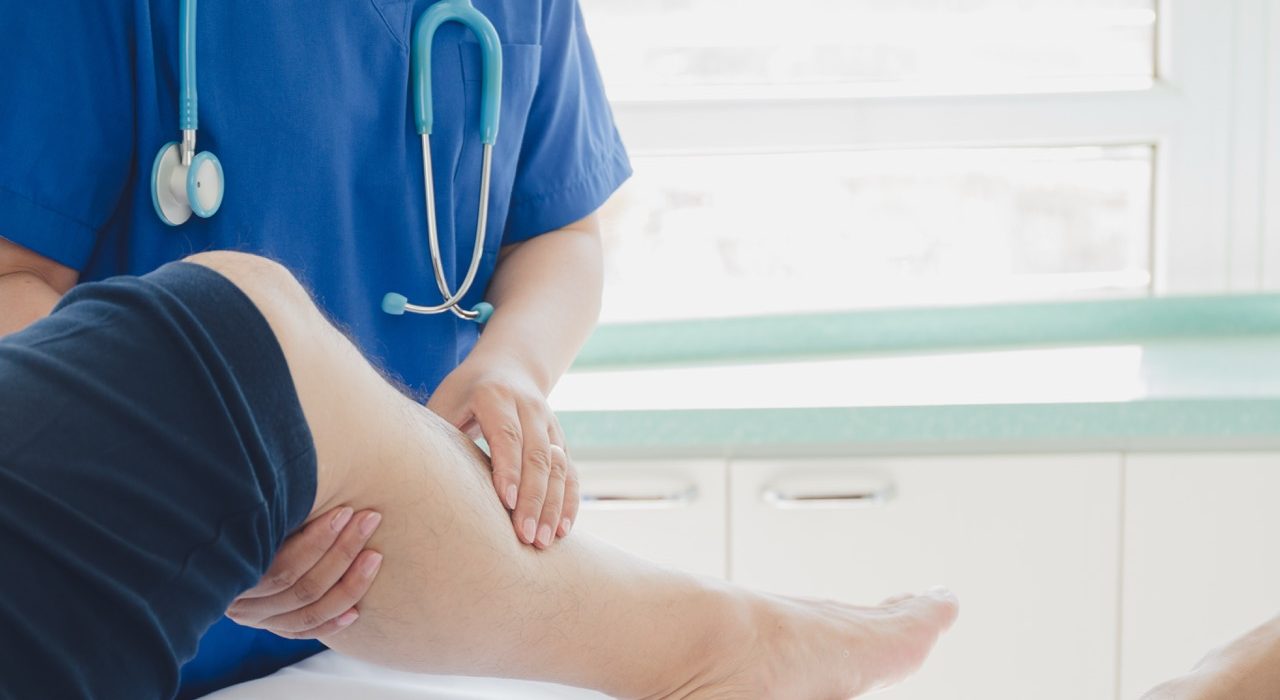
If a foot wound is taking a long time to heal, there may be more going on than the injury itself. Infection, pressure, diabetes, nutrition, swelling, and poor circulation can all slow the healing process.
One important cause is peripheral artery disease, or PAD. PAD narrows arteries that supply the legs and feet. When blood flow is reduced, damaged tissue may not receive enough oxygen and nutrients to repair itself normally.
Why Foot Wounds Need Good Blood Flow
Healing is an active process. The body needs oxygen, protein, nutrients, immune cells, and new tissue growth to close a wound.
All of those processes depend on circulation. If arterial blood flow is severely limited, the wound may stall or worsen.
Common Reasons Foot Wounds Heal Slowly
A slow-healing wound can have several contributing factors:
- Poor arterial circulation
- Diabetes
- Neuropathy
- Continued pressure on the wound
- Infection
- Swelling
- Poor nutrition
- Smoking
- Inadequate wound care
More than one factor can be present at the same time.
Signs That Poor Circulation May Be Involved
Consider arterial disease when the wound occurs with a colder foot, color changes, weak pulses, or leg pain during walking.
Other signs include rest pain, reduced hair growth, slow-growing toenails, or darkening tissue around the wound.
PAD may also be present without classic walking symptoms.
Why Diabetes Makes Foot Wounds More Complicated
Diabetes can damage nerves, reducing sensation in the feet. A patient may not notice a blister or pressure injury until it becomes larger.
Diabetes is also associated with vascular disease. When neuropathy and PAD occur together, a wound may progress with little pain and limited healing capacity.
How Is Circulation Evaluated?
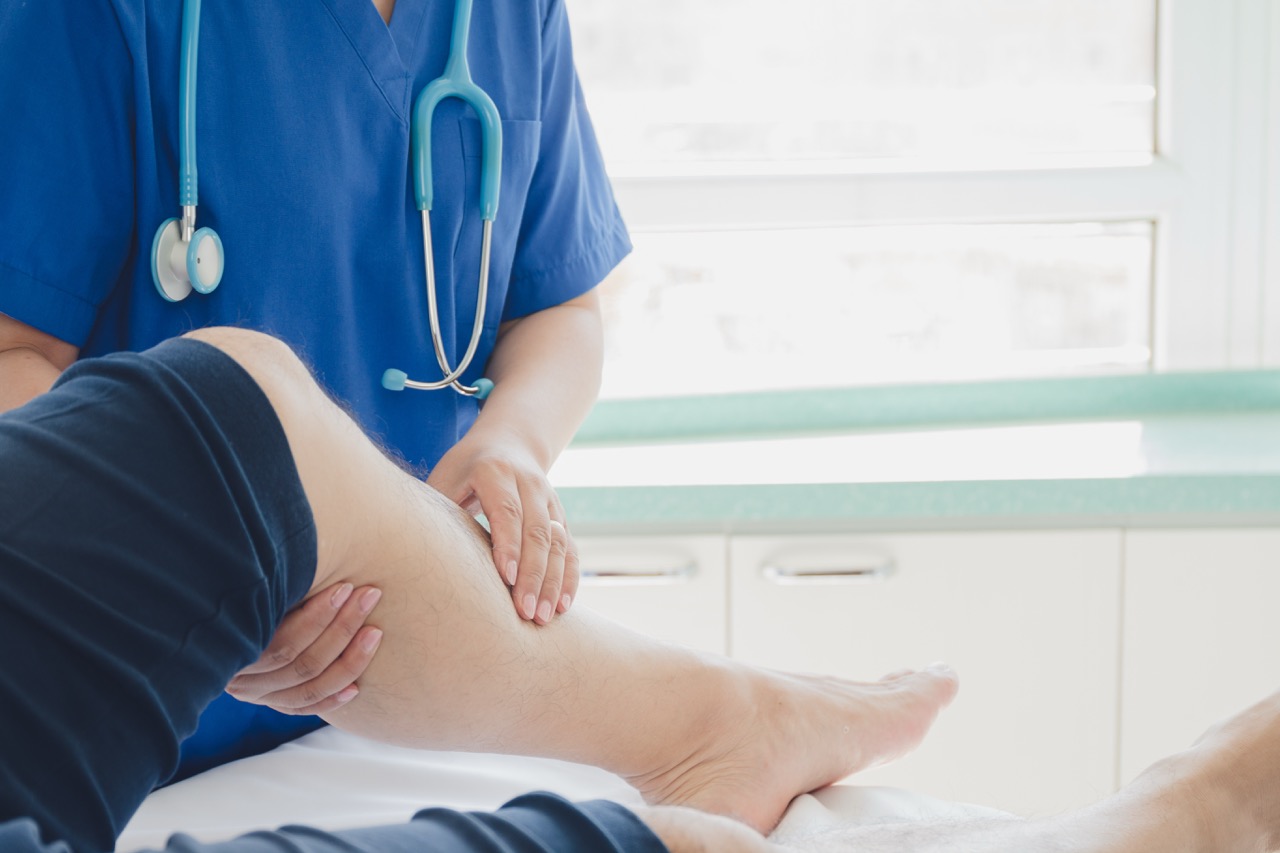
A vascular specialist may inspect the wound, check pulses, and assess the skin and temperature of the foot.
Testing may include an ankle-brachial index, toe pressures, Doppler ultrasound, or other perfusion studies.
If revascularization is being considered, CT angiography, magnetic resonance angiography, or catheter angiography may help map the arteries.
Learn more about vascular testing and PAD treatment.
What Is Chronic Limb-Threatening Ischemia?
A non-healing wound caused by severe PAD may be part of chronic limb-threatening ischemia, or CLTI.
CLTI is an advanced form of arterial disease associated with rest pain, ulcers, tissue loss, or gangrene.
It requires timely evaluation because the health of the foot or leg may be at risk.
Can Better Blood Flow Help Healing?
Yes, when poor circulation is an important barrier. Revascularization may improve blood flow to the wound area and support healing.
Depending on the patient, treatment can include angioplasty, atherectomy, stent placement, surgical bypass, or another strategy.
Wound care, pressure relief, infection treatment, diabetes management, and nutrition still remain important.
When to Seek Prompt Medical Care
Do not wait if a wound is enlarging, draining, foul-smelling, becoming more painful, or developing black tissue. Fever or spreading redness can also signal infection.
Sudden severe pain, coldness, paleness, or numbness requires urgent assessment.
Do Not Assume a Wound Just Needs More Time
A wound that is not improving deserves a clear explanation.
At Vascular Centers of America, our team evaluates whether poor arterial blood flow is contributing to difficult-to-heal foot wounds.
If your foot wound is taking too long to heal, contact Vascular Centers of America for a circulation evaluation. Find the nearest office on our locations page.