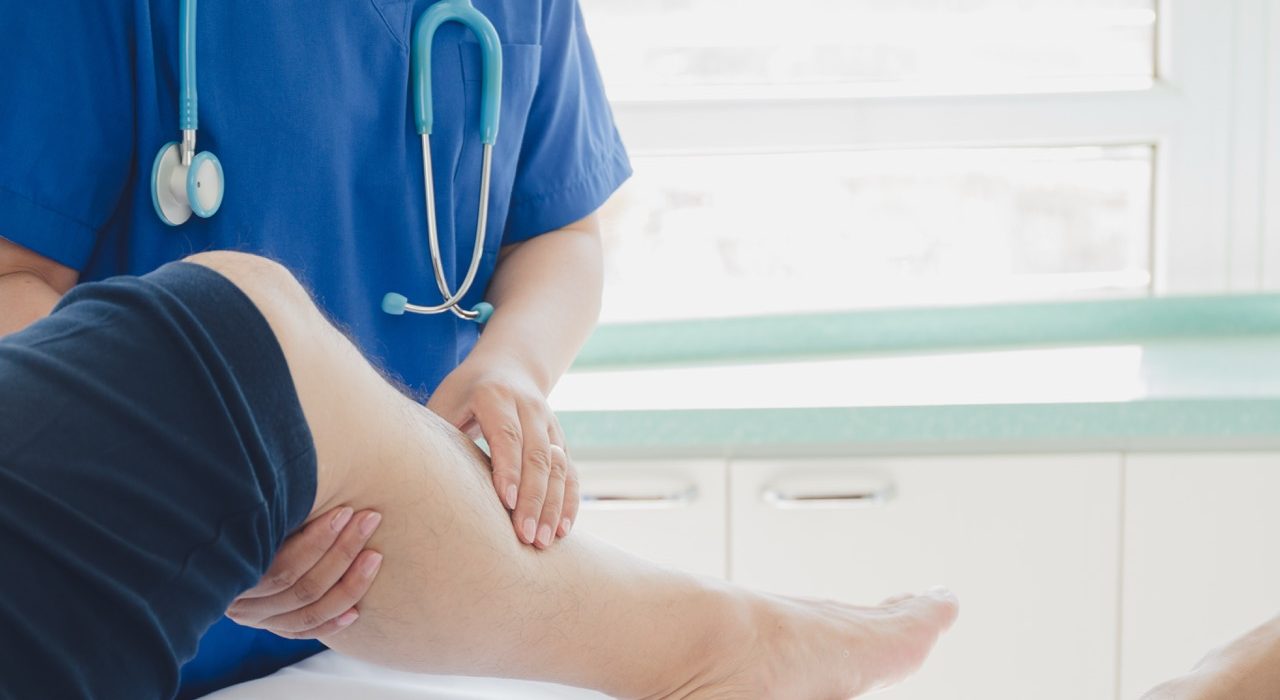
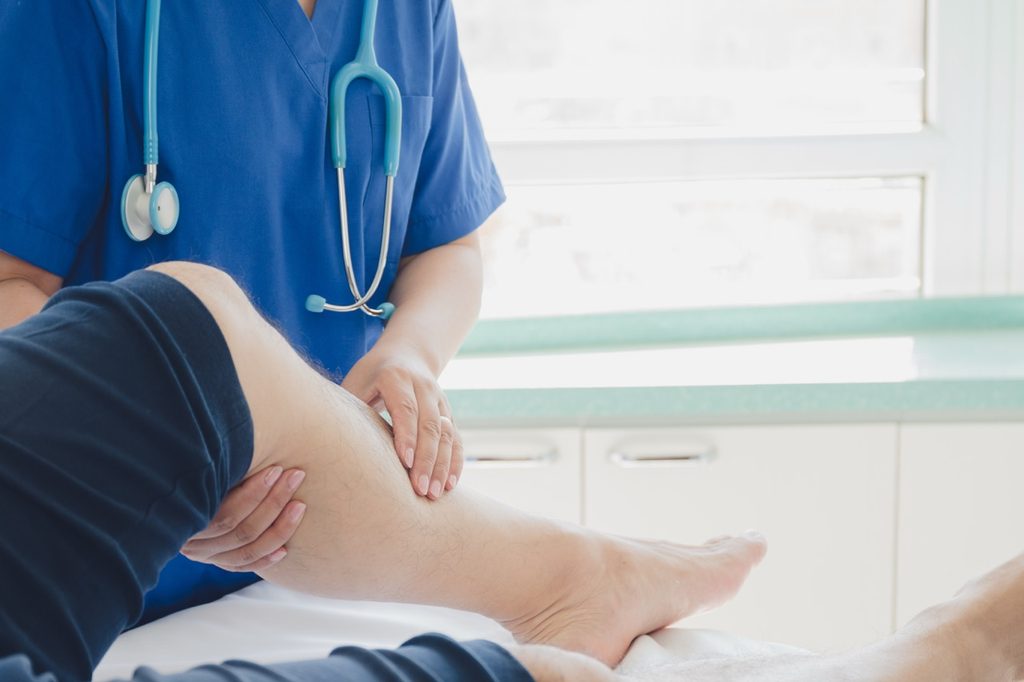
Leg discomfort is easy to dismiss as getting older, being out of shape, or simply doing too much. But recurring pain or unusual changes in your legs and feet can sometimes be signs of peripheral artery disease, commonly called PAD.
PAD develops when arteries supplying the legs and feet become narrowed, often because of plaque buildup. Reduced blood flow can cause symptoms ranging from mild discomfort during activity to wounds that struggle to heal.
Recognizing the warning signs can help you know when it is time to talk with a healthcare provider.
1. Leg Pain or Cramping When Walking
One of the most recognized symptoms of PAD is discomfort that develops during physical activity.
You may experience:
- Cramping
- Aching
- Tightness
- Burning
- Fatigue
- Heaviness
The discomfort commonly affects the calves but may also occur in the thighs, hips, or buttocks.
2. Pain That Improves When You Rest
A particularly important pattern is leg pain that begins while walking and improves after you stop.
This is known as intermittent claudication. During activity, your muscles need more oxygen-rich blood. Narrowed arteries may not be able to provide enough blood to meet that increased demand.
3. Cold Feet or Toes
One foot feeling noticeably colder than the other can sometimes indicate reduced circulation.
Occasional cold feet are common, especially in colder temperatures. Persistent coldness, particularly when combined with pain, numbness, or skin changes, deserves medical attention.
4. Numbness or Tingling
Poor circulation can contribute to sensations such as numbness, tingling, weakness, or a “pins and needles” feeling.
These symptoms can have many causes, including nerve problems, so proper evaluation is important.
5. Slow-Healing Wounds
A cut or sore on your toes, feet, ankles, or legs that does not heal normally can be a serious warning sign.
Healthy tissue depends on adequate blood flow to deliver oxygen and nutrients necessary for healing.
6. Changes in Skin Color
Reduced blood flow may cause changes in the appearance of your legs or feet.
You might notice skin that appears:
- Pale
- Bluish
- Reddish
- Shiny or unusually smooth
Skin changes should be evaluated, especially when they occur together with pain or wounds.
7. Hair Loss on the Legs or Feet
Reduced circulation may affect normal hair growth.
Gradual hair loss on the feet, toes, or lower legs can sometimes accompany PAD.
8. Changes in Toenails
Toenails that begin growing more slowly or become unusually thick or brittle may sometimes be associated with circulation problems.
These changes alone do not confirm PAD, but they may add to the overall picture.
9. Pain in the Feet or Legs While Resting
More advanced circulation problems may cause pain even when you are not walking.
Some people notice discomfort at night or when lying down. Hanging the affected foot over the side of the bed may temporarily make the discomfort feel better because gravity can assist blood flow.
10. Difficulty Walking as Far as You Used To
Gradually reducing how far you walk because your legs become uncomfortable can be an overlooked sign of PAD.
Many people unconsciously adjust their activity instead of recognizing that their walking limitation has changed.
Don’t Assume Leg Symptoms Are Just Part of Aging
Leg pain, cold feet, numbness, wounds, or changes in walking ability should not automatically be considered normal aging.
A vascular evaluation can help determine whether reduced blood flow is contributing to your symptoms.
At Vascular Centers of America, our team evaluates and treats peripheral artery disease with the goal of helping patients improve circulation, preserve mobility, and protect their long-term vascular health.
If you are experiencing persistent leg or foot symptoms, contact Vascular Centers of America to learn more about PAD testing and treatment options.